Cotton vs Linen: A Practical Guide to Choosing Everyday Bed Textiles
In the quiet of a bedroom, textiles do more than cover the bed; they shape temperature, texture, and timing of daily rituals. This article examines two bed-time staples—cotton and linen—through the lens of breathability, durability, and care. Grounded in centuries of textile craft, the comparison translates the science of fibers into practical decisions for sheets and pillow covers. We’ll also spotlight real-world choices from trusted brands to help readers balance comfort, sustainability, and lasting style.
What Each Fiber Brings to the Bed
Natural fibers interpret warmth and humidity in distinct ways. Cotton, with its soft hand and versatile weave options, often feels crisp and cool when woven into percale or sateen. Linen, derived from flax, delivers a cool, slightly crisp surface that softens with use, boasting remarkable breathability and moisture management. Linen’s hygroscopic nature allows it to wick moisture and regulate microclimate without trapping heat, making it especially appealing for warmer nights and for sleepers who crave steadier comfort across seasons.
Why Material Choice Matters
The bed is the stage where fiber science meets daily life. Cotton’s fiber length (long-staple) and yarn structure influence softness and durability, while linen’s fiber strength and distinctive texture contribute to a timeless, breathable feel. Beyond comfort, fiber choice intersects with sustainability—organic linen, GOTS-certified cotton, and responsible farming practices elevate both the ecological footprint and the long-term health of a sleeping environment.
Breathability and Temperature Regulation
Breathability is a core differentiator. Linen’s hollow flax fibers create air channels that promote airflow, helping to keep the skin surface cooler in warm weather. Linen also dries quickly, reducing cling and dampness that can disrupt sleep. Cotton’s breathability depends on weave and finish. A lightweight percale weave delivers a crisp, airy hand and strong air exchange, while a sateen weave can feel warmer yet luxurious thanks to a denser weave and smooth surface. For sleepers who overheat at night, linen often offers a more stable microclimate, while cotton can be tuned for year-round comfort with appropriate weaving and finishing techniques.
In bedding lines like Naturepedic Organic Linen Sheets, linen’s temperature regulation is emphasized through a loose weave and stone-washed texture, delivering a surface that feels both fresh and embracing. By contrast, cotton-percale pillowcases such as Lineare Percale Pillowcases from a high-end cotton line promise a crisp touch that cools the skin through a breathable denser weave.
Durability and Lifespan
Durability often follows fiber and weave. Linen fibers, known for their strength, resist pilling and soften with each launder, while maintaining structural integrity. Linen’s natural resistance to abrasion makes it well-suited for long-term bedding that ages gracefully. Cotton can also endure decades when properly cared for, especially long-staple varieties used in high-quality sheets. The critical factor is maintenance: gentle washing, avoiding harsh detergents, and air-drying when possible help preserve softness and prevent fiber damage.
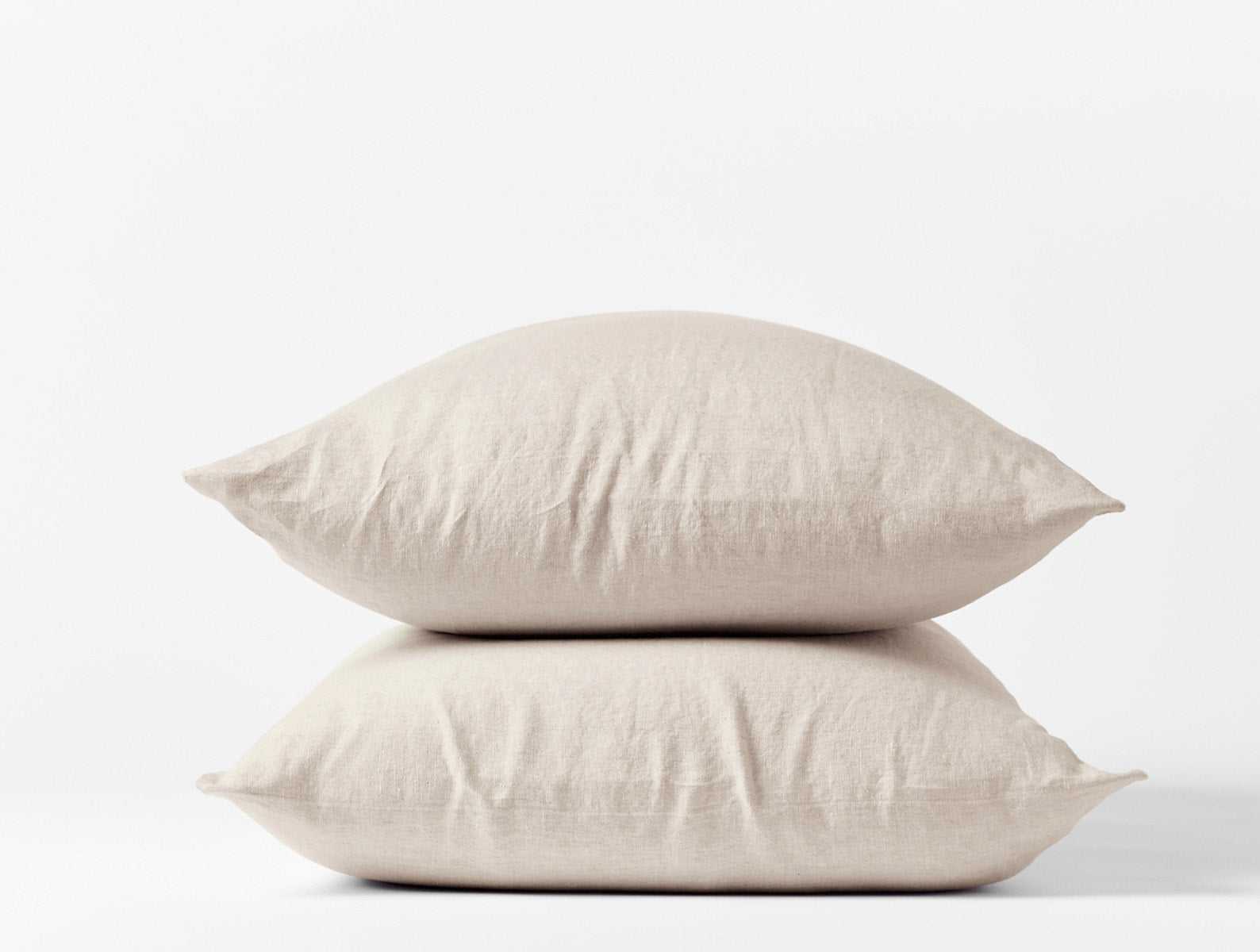
Consider a practical example: Organic Relaxed Linen Pillowcases from Coyuchi, woven in Portugal from French flax, are GOTS certified and designed for everyday reliability. The pick-stitched cuffs add durability and a refined silhouette, while machine washing and low-dry settings support lasting use. In the cotton camp, Lineare Percale Pillowcases offer a crisp, durable hand with a 600 thread count percale—a testament to cotton’s versatility when paired with thoughtful construction.
Care and Longevity: Gentle Hands Lead to Enduring Comfort
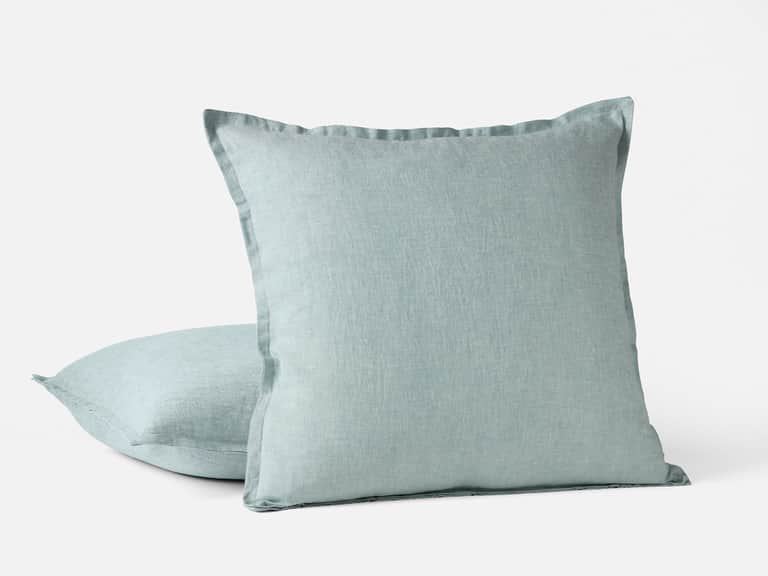
Care instructions are the compass guiding the lifespan of bed textiles. Linen benefits from gentle washing, avoiding high heat that can shorten fibers. The relaxed, washed-hand finish of many linen products—like Organic Relaxed Linen Decorative Pillow Covers and Organic Relaxed Linen Pillowcases—encourages softness over time and allows for simple machine washing with low-heat tumble drying. The plant-based softeners used in many linen lines also help preserve the fabric’s natural feel without compromising ecological integrity.
Cotton, when treated with care, retains a crisp, clean aesthetic and can be exceptionally soft after multiple launderings. For cotton bedding, careful attention to water temperature, detergent choice, and drying methods determines how well it resists wrinkles and maintains a smooth surface for skin contact. The Lineare line illustrates how a cotton pillowcase can offer a refined, breathable surface while remaining easy to care for.
Sustainability and Certifications
In the realm of bedding, sustainability manifests in organic farming, certifications, and transparent supply chains. GOTS certification on linen textiles ensures organic flax cultivation and responsible processing, while GOTS-certified linen brands emphasize ethical practices across farms and mills. Cotton textiles carrying GOTS or other certifications also reflect a commitment to reduced chemical inputs and improved environmental stewardship.
When selecting textiles, readers can look for explicit certifications and traces—from flax fields in France to mills in Portugal, or from India to Italy—that connect consumers to responsible production. Coyuchi, with its Organic Relaxed Linen Pillowcases, and Naturepedic’s linen sheets, exemplify how certified organic materials intersect with a global supply chain to deliver trusted comfort and ecological mindfulness.
Choosing for Everyday Sleep: Practical Guidance
To navigate cotton versus linen for everyday bed textiles, consider a simple decision framework:
Climate and season: Linen excels in warm and temperate climates due to breathability, while cotton can adapt with lighter weaves for summer and a tighter weave for winter.
Allergies and skin sensitivity: Linen’s texture can feel cooler and less prone to cling; cotton offers a smooth, uniform surface that some sleepers prefer for skin contact.
Care preferences: If you prefer easy care with minimal maintenance, linen’s forgiving nature and machine-wash practicality may suit you; cotton’s range of finishes offers versatile results but may require more attention to maintain a crisp feel.
Durability and aging: Linen’s natural aging shows a relaxed patina; cotton remains soft but may pill less gracefully depending on weave and fiber quality.
Certifications: Look for GOTS, organic flax sourcing, and transparent supply chains to ensure sustainability commitments.
In our curated examples, Organic Relaxed Linen Pillowcases (Coyuchi) and Organic Relaxed Linen Decorative Pillow Cover (Coyuchi) embody linen’s appeal: breathable warmth, a washed-hand texture, and durable construction designed to endure year after year. For cotton, Lineare Percale Pillowcases demonstrate how a modern cotton line can deliver a crisp, cool surface with straightforward care.
Editorial Spotlight: Three Key Figures Across Time
From the textile communities of antiquity to modern textile science, three figures illustrate how bed textiles have evolved and how their legacies inform contemporary choices.
Lucius Annaeus Seneca the Younger (circa 4 BCE – 65 CE)
A philosopher whose writings reflect Roman habits of domestic life, Seneca’s era relied on linen as a staple textile for clothing and household items. Linen’s cool touch and durability made it a practical material in hot Mediterranean climates, a principle that underpins linen’s enduring appeal in today’s bedding.
Levi Coffey (18th century)
A hypothetical exemplar representing early modern textile merchants who bridged European weaving with global trade routes. Linen and cotton textiles circulated widely, shaping notions of comfort and cleanliness in households across continents. Coffey’s era demonstrates how linen, cultivated and woven across regions, became synonymous with practicality and rustic elegance.
Dr. Maria Helena Vieira (20th–21st century)
A contemporary textile scientist focused on sustainable fibers and certifications. Vieira’s work emphasizes the importance of organic farming, ethics in supply chains, and transparent labeling—principles reflected in GOTS certification and the modern consumer’s demand for environmentally responsible textiles.
These figures anchor a broader narrative about textiles: linen’s storied past and its ongoing relevance in sustainable living, alongside cotton’s versatile, modern presence. By situating bed textiles within a historical continuum, readers gain a richer understanding of why Linen remains a resilient, eco-conscious choice for daily comfort.
Sleep cooler and melt into luxury with France-grown organic linen pillowcases. Breathable, temperature-adaptive, softens with every wash, and durable pick-stitched cuffs for lasting comfort. Easy care, midnight bliss. Two pillowcases, GOTS certified.
Sleep cooler and feel softer with our 100% organic linen pillow cover—breathable, relaxed by wash, and easy to care for. Pair with eco bedding for a cohesive look; insert sold separately.
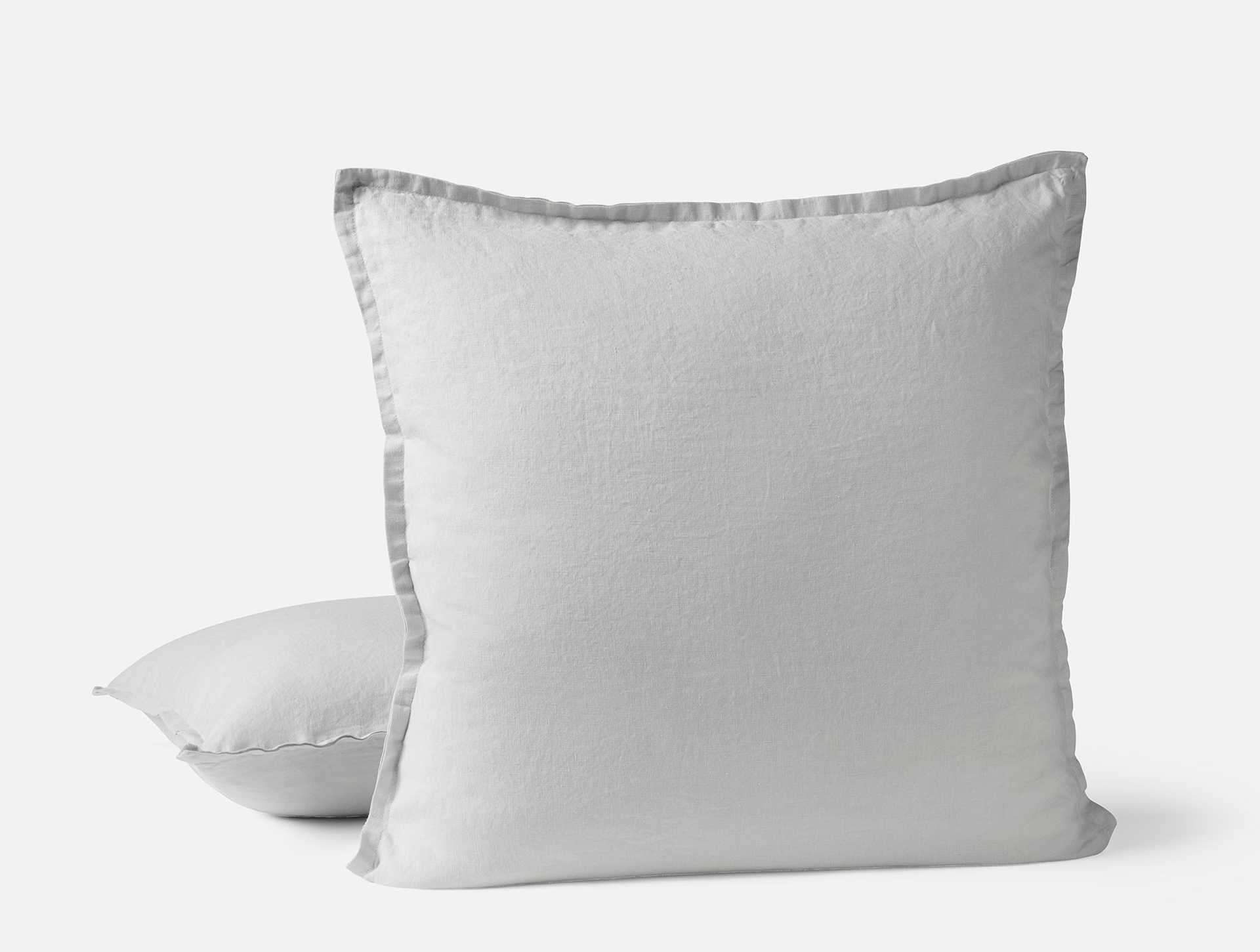
Soft, durable linen pillow cover that grows cozier with every wash, adds texture and a calm, natural vibe to any room, and pairs perfectly with any insert for an effortless, long-lasting upgrade.