Home textiles · Interior design
A Guide to Styling Decorative Pillows with Linen Texture
A few well-chosen pillows can change the feel of a room without changing its walls, furniture, or floor plan. The secret is not simply adding more color or pattern. It is composing a small landscape of texture, scale, and shape—one that looks inviting and still leaves room to sit, stretch, and rest.
Published October 20, 2026
In a quiet bedroom, the bed is often the largest uninterrupted surface in the room. In a living room, a sofa can perform the same role: a broad plane of upholstery that sets the visual tone before anyone notices the side table or the stack of books. Decorative pillows break up those expanses. They introduce softness, color, and dimension, offering an easy way to make a familiar space feel more considered.
Linen is especially useful in this kind of arrangement because it does not look perfectly uniform. Its surface may show fine irregularities and a gently rumpled character that catch light differently from smooth cotton, velvet, or tightly woven upholstery. The effect is subtle but important. A pillow in linen can create contrast without demanding attention, giving a room a tactile note that feels natural rather than overly polished.
Good pillow styling is less about following a fixed formula than noticing how objects relate. A successful arrangement has enough repetition to feel connected, enough variation to stay interesting, and enough open space to remain comfortable. Begin with the room as it is. Then think about color, scale, fabric, and use—each a small decision that changes the whole composition.
Start with the room, not the pillows
Before choosing covers, take in the larger surroundings. What colors already appear in the room? A wall, rug, headboard, sofa, or curtain may provide the strongest starting point. The aim is not necessarily to match every shade. Instead, identify a small group of colors that can echo or complement what is already there.
A neutral room might include warm wood, pale walls, and a sand-colored sofa. Linen pillows in ivory, stone, or muted green can reinforce the calm palette, while one deeper shade brings definition. In a room with patterned curtains or a richly colored rug, the same principle works in reverse: quieter pillows can give the eye a place to rest. Decorative pillows do not need to repeat every feature in a space. They need only feel as though they belong to the same environment.
It helps to distinguish between a shared palette and a matching set. A shared palette might include several related tones—such as cream, warm gray, and dark blue—without using them in exactly the same way. One pillow might be solid linen, another a small-scale stripe, and a third a smoother fabric in a darker accent. Repetition creates a thread through the arrangement; variation keeps it from appearing too uniform.
Color also changes with light. A pale natural fabric may look warm in afternoon sun and cooler under a shaded lamp. Deep tones can appear almost black at night, then reveal their color in daylight. If possible, consider the pillows in the context where they will be used, rather than judging a fabric by itself. A composition that feels balanced in a bright bedroom may read differently on a sofa in a dimmer room.
Let texture do some of the work
Texture is one of the most effective ways to create interest when a room relies on a restrained palette. Smooth and irregular surfaces behave differently, even when their colors are nearly identical. A plain, softly rumpled linen cover beside a crisp cotton pillowcase or a tightly woven sofa fabric creates a gentle contrast the eye can detect before the colors seem to change.
Linen’s appeal is partly in its visible weave and relaxed finish. It can soften a neat, tailored setting, or add depth to a room already filled with natural materials such as wood, wool, or woven rugs. In a bedroom, textured decorative pillows can sit alongside smoother sheets and pillowcases. In a living room, they can break up a large field of upholstery without introducing a loud print.
Contrast works best when it is deliberate. If every pillow has a different weave, sheen, pattern, and edge treatment, the group can feel busy. Try choosing one main texture, then adding a smaller number of supporting surfaces. For example, a pair of linen covers could be accompanied by one smooth cotton cushion. Or a velvet accent might appear once, set against linen and a matte sofa. The aim is not to display every fabric at once, but to let each one be noticed.
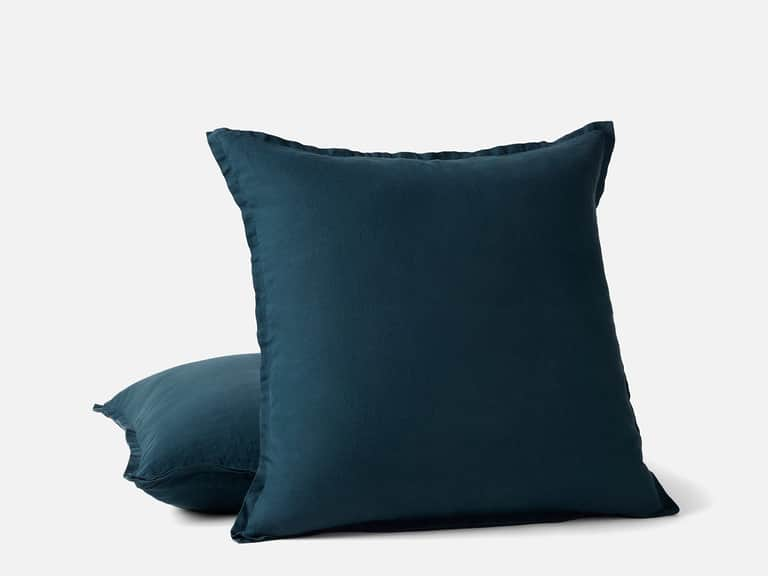
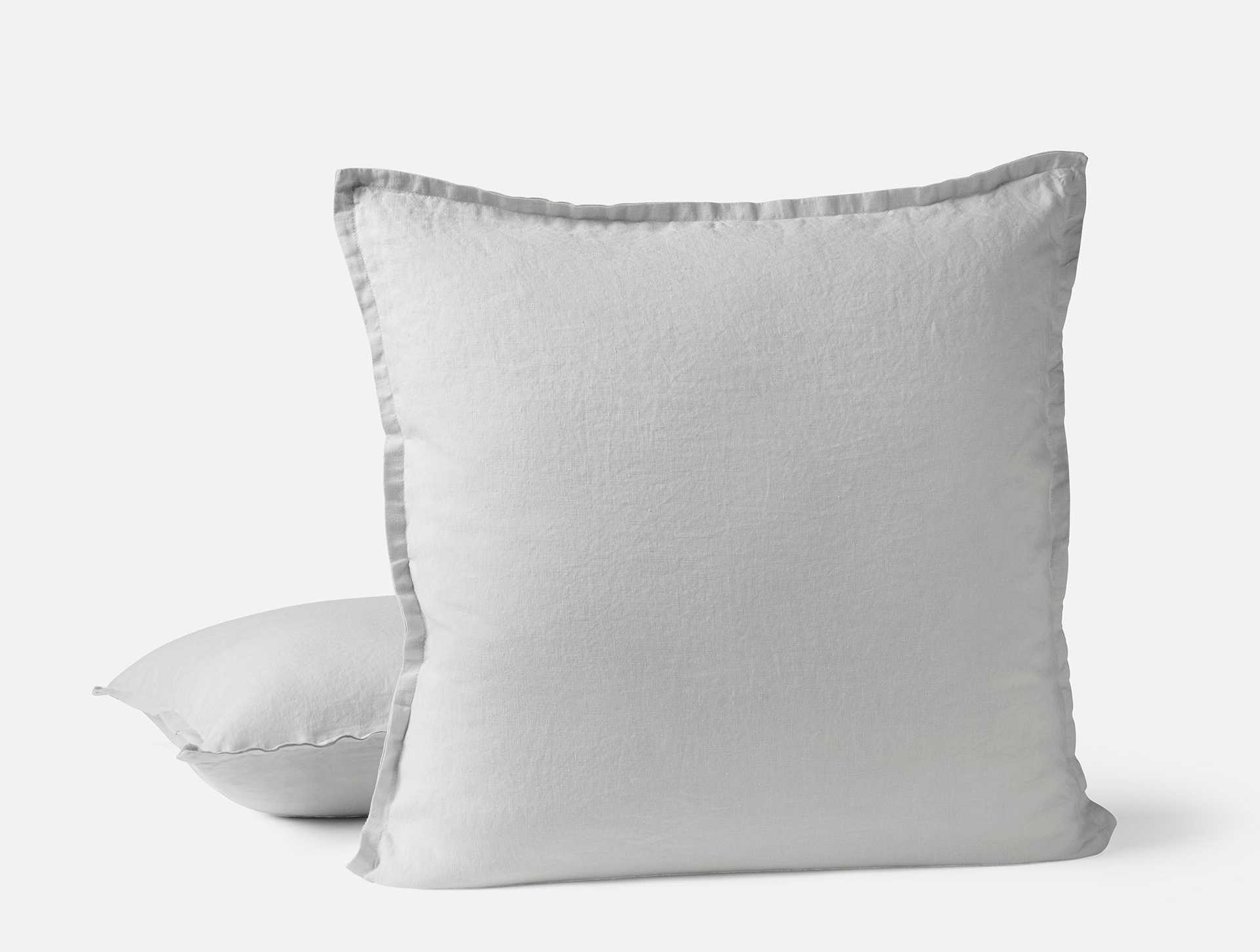
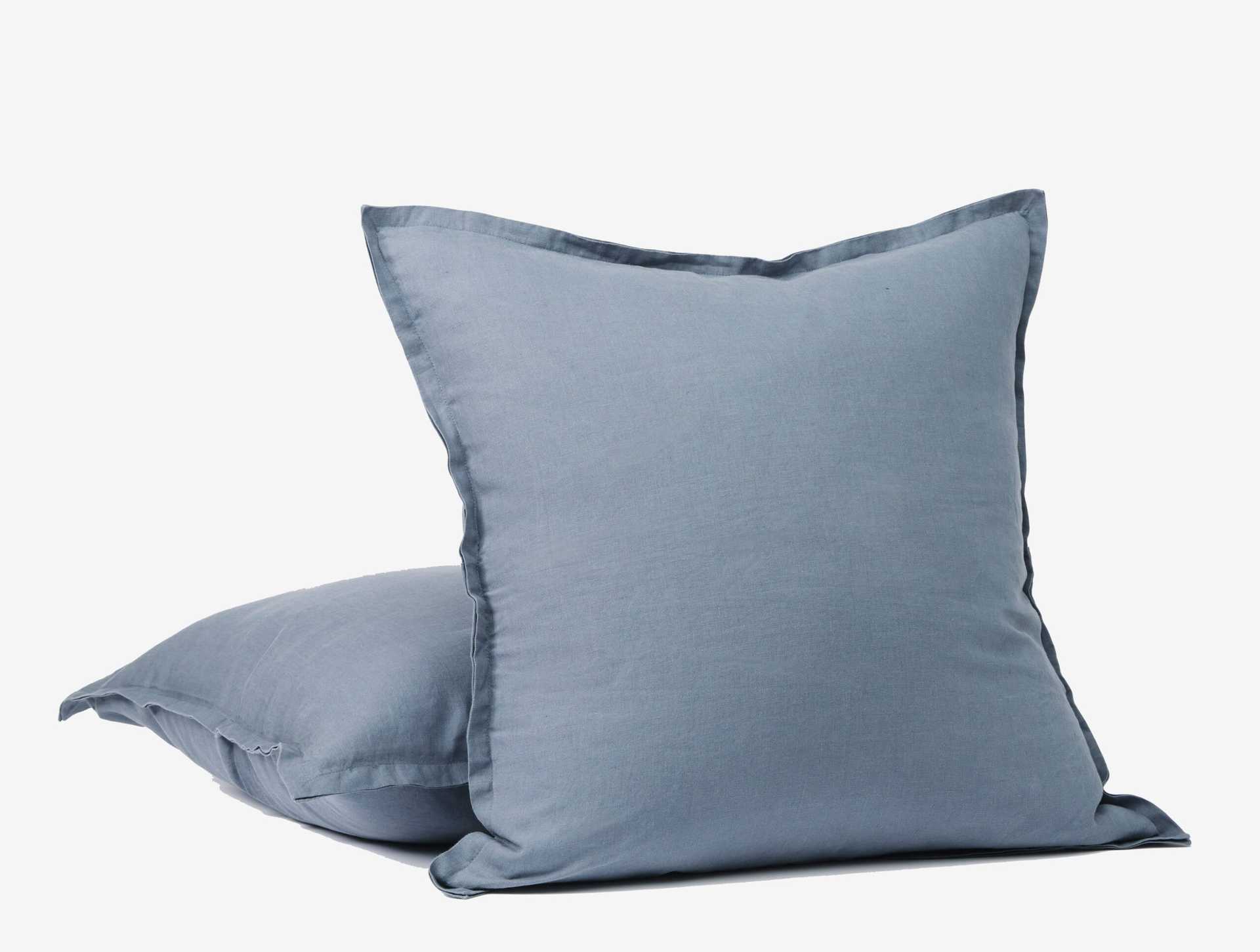
A washed linen cover often has a softer, more relaxed appearance than a crisp, freshly pressed textile. That makes it a natural fit for spaces where ease matters: a bedroom meant for unwinding, a family room used every day, or a reading chair that should feel inviting rather than formal. A cover such as the Organic Relaxed Linen Decorative Pillow Cover is described as European-grown organic linen woven in Portugal and washed for a relaxed hand. As with any cover, check its dimensions and care instructions, and note that the insert is sold separately.
Use scale to create a clear rhythm
Size is not merely a practical detail. It establishes visual hierarchy. A larger pillow can anchor a group, while smaller cushions add variation around it. When every pillow is the same size, a row can feel static; when sizes vary without a plan, the arrangement may look crowded or haphazard. A useful approach is to choose one dominant size and introduce one or two supporting sizes.
On a bed, larger decorative pillows can sit behind smaller ones, creating a sequence from broad to compact. The arrangement should not conceal all the bedding or turn the bed into a display that must be dismantled every night. Consider the daily routine as part of the design. If the pillows are cumbersome to move, the styling may be more elaborate than the room needs.
On a sofa, begin by considering its proportions. A deep, broad sofa can accommodate larger pillows, while a compact loveseat may look crowded with oversized cushions. Leave visible upholstery between or around the pillows. That breathing room helps the arrangement feel intentional and keeps the seating useful.
Shape adds another layer of contrast. Square pillows create a familiar, stable outline. Rectangular or lumbar cushions introduce a horizontal line, which can soften a row of squares or provide support behind the lower back. A single different shape is often enough. It can act as a focal point without making the overall grouping feel complicated.
Arrange for comfort, not just appearance
Decorative pillows are still pillows. Their position, size, and fill affect whether a chair or bed remains comfortable. In a living room, leave enough seat depth for people to sit without moving a tower of cushions. In a bedroom, place decorative cushions where they can be removed easily at bedtime. An arrangement may look elegant in a photograph yet become inconvenient if it interferes with ordinary use.
The insert influences the final shape. A cover that looks crisp when filled may seem slack with an undersized insert; an overfilled cushion can strain seams or feel too rigid. Check the cover’s dimensions and select an insert that gives the intended fullness while allowing the fabric to sit naturally. For decorative use, the desired feel may differ from the support needed for sleep or sitting, so consider how the pillow will function as well as how it will look.
Arrangement also benefits from a little asymmetry. On a sofa, pillows do not have to mirror one another exactly at each end. A pair of related covers can balance one larger cushion on the opposite side. On a bed, symmetrical placement may suit a formal setting, while a more relaxed bedroom can use a less rigid grouping. The room’s architecture and furniture offer clues: repeat a strong central line when you want order, or offset the arrangement when you want a more casual feeling.
A simple method for building a pillow group
When the choices feel open-ended, a short sequence can help turn experimentation into a manageable task:
- Choose a palette. Start with two or three colors already present in the room, then decide whether the pillows should blend in or add a measured accent.
- Select one leading texture. Linen can serve as the main tactile element, with smoother or more structured fabrics used sparingly for contrast.
- Vary the scale. Combine a dominant pillow size with one smaller size or a different shape, keeping the furniture’s proportions in mind.
- Arrange, then remove one. Step back and look at the overall balance. If the group feels crowded, taking away a pillow may improve both the appearance and the comfort.
- Test the arrangement in daily use. Sit on the sofa or prepare the bed as usual. Adjust anything that blocks a seat, slips out of place, or takes too long to manage.
This method is a starting point rather than a rulebook. A room with a patterned sofa may need fewer visual accents than a plain one. A bed with a detailed headboard may benefit from a simpler pillow arrangement. The key is to respond to what is already present instead of layering decoration simply because space is available.
Make color and pattern work together
Patterns can be part of a balanced arrangement, but they need not compete with linen’s texture. A small stripe, understated check, or quiet botanical motif can sit comfortably beside a solid cover when the colors are related. If the pattern is bold, allow it to lead and keep the surrounding fabrics simpler. If the room already has strong patterns in its rug or curtains, solid linen pillows can provide a pause.
Color can be distributed unevenly while still feeling cohesive. A dark accent might appear on one pillow and again in a small detail elsewhere in the room, such as a frame or a throw. Repeating a color in more than one place helps it feel connected to the overall design. It does not need to be repeated on every pillow.
For a calm atmosphere, consider tonal layering: several shades of one color family, differentiated by weave and finish. Cream, oat, and warm gray offer quiet variation; blue can range from misty pale tones to a deeper indigo. The texture then becomes especially important, because it provides visual change without relying on strong color contrast.
Care for the character of linen
A pillow arrangement changes over time. Linen can soften with repeated washing, and its relaxed surface may become more pronounced through everyday use. This developing character is part of the fabric’s appeal, but good care helps maintain the cover’s shape and texture.
Always follow the care label for the specific cover. Instructions vary between fabrics and finishes. For the Organic Relaxed Linen Decorative Pillow Cover mentioned above, the provided care guidance recommends a cold, gentle machine wash with like colors and low-temperature tumble drying. It also suggests removing the cover promptly and warming the fabric with an iron if desired. Avoid assuming that every linen textile can be treated in the same way; construction, dyes, and finishing can change the appropriate routine.
Care is also part of a thoughtful approach to home textiles. Covers that can be removed and washed are easier to maintain than cushions that cannot be cleaned at home, but the insert may have separate requirements. Check both components. Rotating covers or pillow positions occasionally can also help an arrangement wear more evenly, particularly where direct sunlight or regular contact affects one side more than another.
Small changes, lasting atmosphere
Decorative pillows are modest objects, yet they sit at the intersection of comfort and design. Their fabric meets the hand; their color meets the eye; their shape influences how a seat or bed is used. Linen brings a particular kind of presence to that exchange: breathable, visibly textured, and relaxed enough to soften a room without overwhelming it.
Begin with the colors already in the space. Add texture where the surfaces feel too uniform. Use differences in size and shape to create a gentle rhythm, then leave room for the furniture to do its job. A cohesive arrangement does not have to be perfectly symmetrical or filled with matching pieces. It needs only a clear relationship between its materials, a comfortable scale, and enough restraint for each detail to matter.
That is the quiet advantage of pillow styling: it allows a room to evolve through small, reversible choices. A linen cover can introduce natural-looking texture to a bed or sofa; a new color can shift the mood; a changed arrangement can make familiar furniture feel newly inviting. No full redesign is required—just a careful eye for how the pieces fit together.